
 EN
EN
How To Distinguish Between Good And Bad Alloy Pipes
If you procure stainless steel, the recent sharp rise in nickel prices has undoubtedly captured your attention. With nickel futures on key exchanges posting significant gains, the direct pressure on the cost of producing austenitic stainless steels like 304 and 316 is immediate and substantial. This isn't just a market headline; it's a direct impact on your bottom line and project budgeting. Understanding the drivers behind this surge and adapting your procurement strategy is no longer optional—it's essential for maintaining competitiveness and supply chain stability.
The connection between nickel and stainless steel is fundamental. Nickel is the key alloying element that grants stainless steel its superior corrosion resistance, formability, and toughness. It also represents a significant portion of the raw material cost for many standard grades. Therefore, when nickel markets experience volatility, the ripple effects are felt quickly by anyone purchasing stainless steel products. The current surge is being fueled by a confluence of factors, including robust demand from the electric vehicle battery sector, which competes directly for Class 1 nickel, alongside persistent supply chain considerations and broader macroeconomic sentiments influencing all base metals.
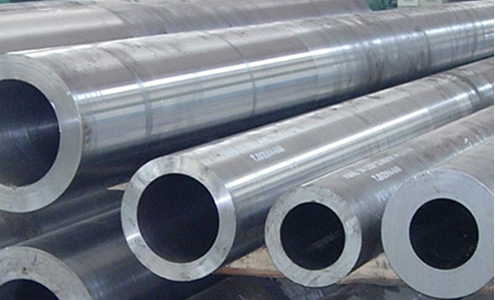
Seamless mechanical tubing
Low-quality pipes often crack under high pressure, which ruins your reputation. You need to understand the production process to ensure you are buying durable materials that last a long time. Manufacturers create seamless mechanical tubing by piercing a solid steel billet to form a hollow shell. Then, they process it through cold drawing or hot rolling. This method eliminates weak points found in welded pipes, guaranteeing superior structural integrity for critical engineering tasks.
When we talk about seamless mechanical tubing, the manufacturing method is the most important factor. In my experience at Centerway Steel, I usually see two main types: Cold Drawn Seamless (CDS) and Hot Finished Seamless (HFS). First, let's look at Hot Finished Seamless tubing. The factory heats a solid steel billet and pierces it to make a tube. This process is faster and costs less. It is great for applications where precise tolerances are not the main priority, but you still need a thick wall and high strength. On the other hand, Cold Drawn Seamless tubing goes through an extra step. After the initial forming, the tube is cooled and drawn over a mandrel. This improves the surface finish and makes the dimensions very accurate. If you are making machine parts that need to fit perfectly, CDS is the better choice. It is stronger and harder than hot finished tubes because of the work hardening.